
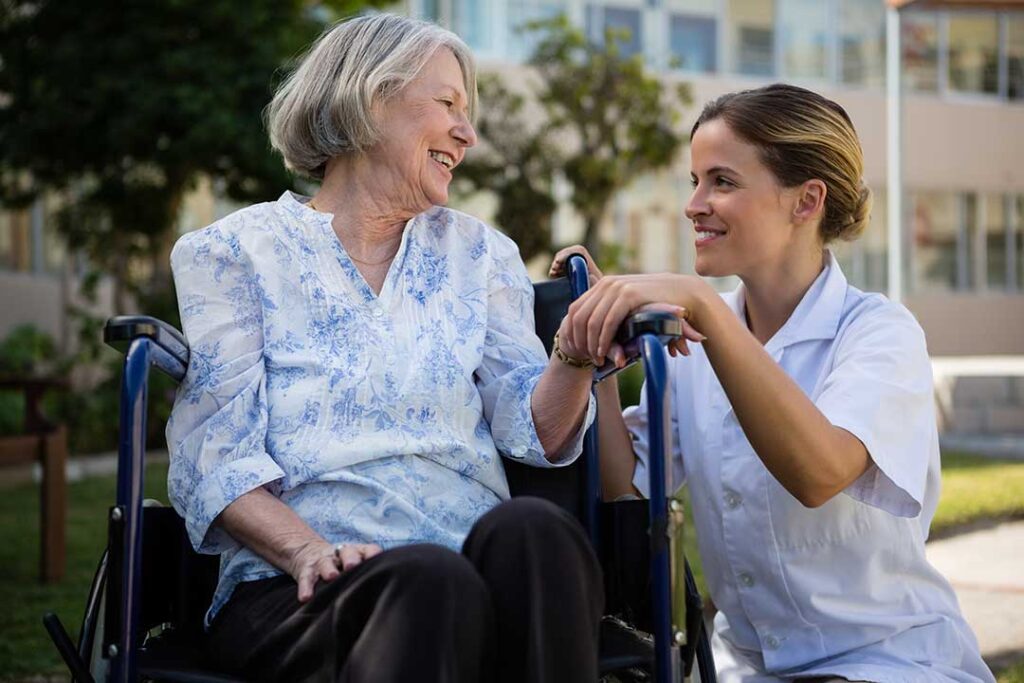
Many families begin considering assisted living after a gradual pattern of problems—not one dramatic event. Trouble with bathing, medications, meals, mobility, memory, or household safety can show that living alone is becoming difficult to manage.
The decision does not have to be based on age alone. It should reflect whether a person can remain safe, reasonably healthy, and comfortable with the support currently available.
What does assisted living help with?
Assisted living is generally intended for people who need help with everyday activities but do not require continuous skilled nursing care. In Pennsylvania, assisted living residences may provide support with personal care, meals, medications, walking, appointments, transportation, and other daily tasks. Services vary by residence and by the individual’s needs. ([pa.gov](https://www.pa.gov/agencies/dhs/resources/aging-physical-disabilities/personal-care-homes?utm_source=openai))
Common activities that may require assistance include:
- Bathing, dressing, grooming, and using the toilet
- Getting out of bed or moving safely between rooms
- Preparing meals and remembering to eat or drink
- Taking medications correctly and on schedule
- Managing laundry, housekeeping, and basic errands
- Arranging transportation to medical appointments
- Handling changes in memory, judgment, or daily routine
Assisted living is different from a nursing facility. Someone who needs extensive medical treatment, around-the-clock nursing care, or complex care after a serious illness may need a different level of support.
What are the clearest signs that living alone is becoming unsafe?
The strongest signs involve repeated changes in basic routines, safety, or judgment. A single missed meal may not mean much, but a pattern of missed medications, falls, spoiled food, or confusion deserves attention.
Look for changes such as:
- Unexplained bruises, falls, or difficulty getting up after sitting or lying down
- Burned cookware, unattended appliances, or unsafe use of space heaters
- Increasing difficulty bathing, changing clothes, or maintaining personal hygiene
- Food that is spoiled, missing, or consistently replaced with very limited meals
- Missed medications, duplicate doses, or confusion about prescriptions
- Unpaid bills, unusual purchases, or difficulty recognizing financial obligations
- Leaving doors unlocked, wandering, or becoming disoriented in familiar surroundings
- Repeatedly missing appointments or being unable to explain recent events
- A home that has become unusually cluttered, dirty, cold, or difficult to navigate
The National Institute on Aging identifies trouble preparing food, bathing, dressing appropriately, walking, and making sound decisions as possible indicators that an older adult needs additional support. ([nia.nih.gov](https://www.nia.nih.gov/health/caregiving/does-older-adult-your-life-need-help?utm_source=openai))
Does a fall automatically mean it is time for assisted living?
No. A fall is a warning sign, not an automatic answer. The cause may be treatable, such as a medication side effect, vision problem, dehydration, infection, or weakness after an illness.
The more useful questions are:
- Has the person fallen more than once?
- Can the person get up without help?
- Is there a safe way to reach the bathroom, kitchen, and bedroom?
- Does fear of falling prevent normal activity?
- Is someone available to help quickly after an accident?
- Are winter conditions, stairs, icy walkways, or snow removal creating added risk?
In Clarks Summit, seasonal snow, ice, reduced daylight, and cold-weather clothing can make mobility problems more noticeable. A person who manages well during mild weather may struggle with outdoor steps, entrances, or transportation during winter.
A medical evaluation may help identify reversible causes. Home modifications, physical therapy, a walker, regular check-ins, or in-home assistance may be enough in some situations. If those measures no longer provide reliable safety, assisted living may deserve closer consideration.
How do memory changes affect the decision?
Occasional forgetfulness is common, but progressive memory loss can interfere with safety and independence. Concern increases when someone cannot reliably manage medications, meals, finances, appointments, or household equipment.
Potential warning signs include:
- Asking the same question repeatedly
- Becoming lost in familiar places
- Forgetting whether medication was taken
- Leaving water running or food cooking
- Accusing others of taking items that were misplaced
- Becoming unusually suspicious, impulsive, or withdrawn
- Losing the ability to follow familiar routines
Memory loss should not automatically be assumed to be dementia. Hearing loss, depression, medication interactions, sleep problems, illness, and nutritional issues can also affect thinking. A healthcare evaluation is appropriate when changes are new, worsening, or interfering with daily life.
Assisted living may be suitable for some people with mild or moderate cognitive impairment, but the level of supervision must match the person’s needs. Someone who wanders frequently, has serious behavioral symptoms, or needs constant medical monitoring may require a more specialized setting.
When is family caregiving no longer enough?
Family support may work well when needs are predictable and helpers are nearby. It becomes less reliable when care depends on one exhausted person, frequent emergency trips, long drives, or complicated coordination.
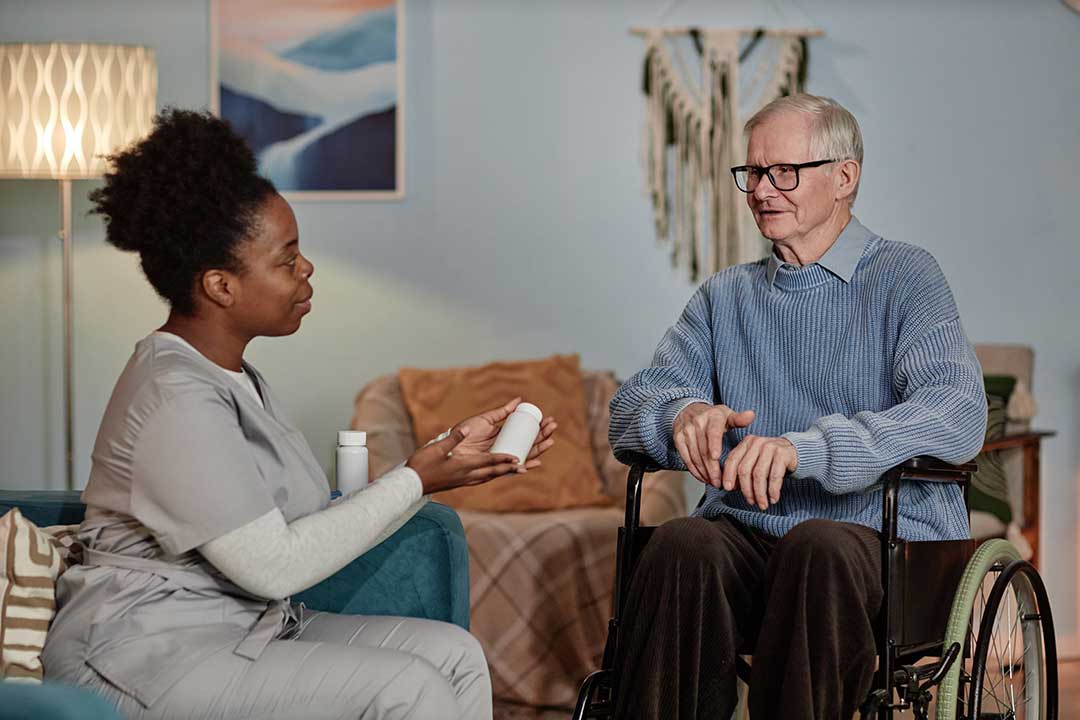
Warning signs that the caregiving arrangement is failing include:
- Family members are missing work or neglecting their own health
- Care needs occur at night or cannot be scheduled
- Several relatives disagree about what is happening
- The older adult refuses help but cannot remain safe alone
- A caregiver is lifting, bathing, or transferring the person without proper training
- There is no dependable backup during illness, bad weather, or travel
A short written record can clarify the situation. Track falls, missed medications, bathing difficulties, meal preparation, nighttime confusion, and emergency visits for several weeks. Patterns are often easier to see on paper than during occasional family visits.
Could a person remain at home with more support?
Yes, sometimes. Assisted living is one option among several. Depending on the situation, support at home may include personal care, meal assistance, transportation, medication organization, home health services, adult day programs, or regular visits from family and friends. Pennsylvania describes home and personal care services as support with activities such as bathing, dressing, meal preparation, and household tasks. ([nia.nih.gov](https://www.nia.nih.gov/health/caregiving/services-older-adults-living-home?utm_source=openai))
A home-based plan is more likely to work when:
- The person can make safe decisions most of the time
- The home can be made accessible
- Help is available at the times it is actually needed
- Someone can respond quickly to an emergency
- Medication and medical care can be managed reliably
- The person is willing to accept assistance
It may not be enough when supervision is needed throughout the day and night, unsafe behaviors continue, or caregivers cannot consistently provide the required help.
What should families ask before making a decision?
The goal is not to decide based only on fear or family pressure. Consider the person’s abilities, preferences, medical needs, finances, and likely changes over the next year.
Useful questions include:
- Which daily tasks require help now?
- Is the need temporary, or has it been increasing?
- What happens if the main caregiver is unavailable?
- Can the person safely respond to a fire, fall, or medical emergency?
- Is the current home practical during winter weather?
- Would more support preserve independence, or would it simply postpone an unsafe situation?
- What level of care would be available if needs increase?
In Pennsylvania, personal care homes and assisted living residences are separate licensed categories, and their services and care capacity can differ. Reviewing licensing information and asking for a clear explanation of what is and is not provided can prevent misunderstandings. ([pa.gov](https://www.pa.gov/agencies/dhs/resources/aging-physical-disabilities/personal-care-homes?utm_source=openai))
A move is not the only measure of success. The right decision is the arrangement that provides dependable safety, appropriate care, personal dignity, and as much choice as the person can reasonably maintain.
When is immediate help needed?
Some situations require urgent attention rather than a long-term housing discussion. Seek emergency help for signs of stroke, severe breathing difficulty, serious injury, chest pain, sudden severe confusion, or an immediate danger such as a fire or unsafe wandering.
For non-emergency concerns, a written list of recent changes can help a medical professional, family member, or care coordinator understand what support is needed. The earlier the pattern is recognized, the more options a household usually has.
