
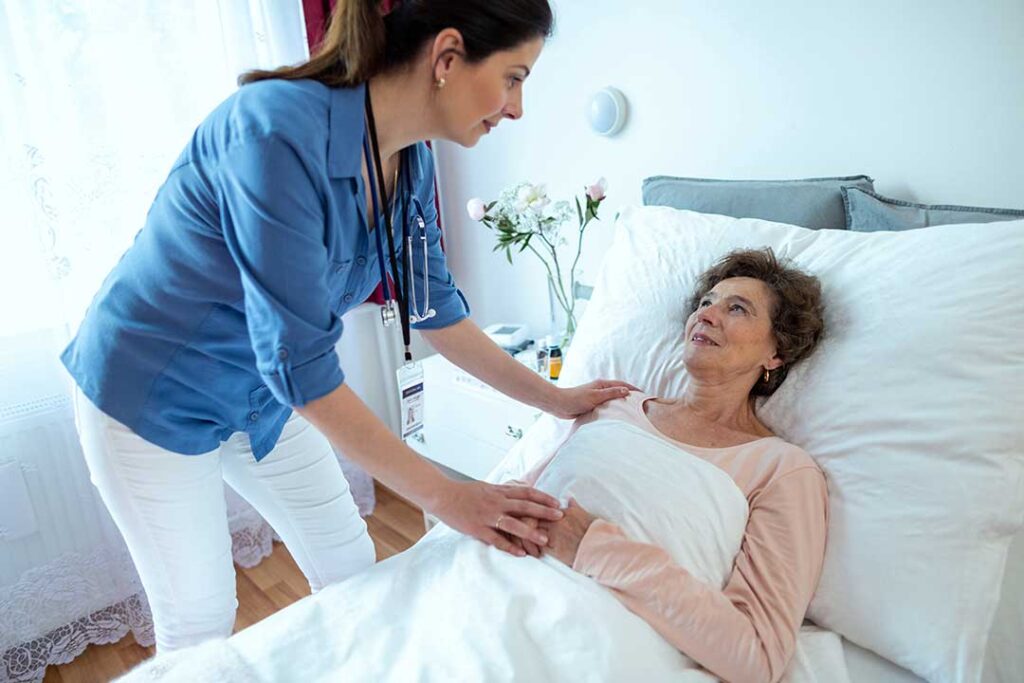
Assisted living is a residential option for adults who need help with everyday activities but do not require the continuous skilled nursing care provided in a nursing home. For residents and families in Clarks Summit, PA, understanding the difference between assisted living, personal care homes, home care, and nursing facilities can make long-term planning less confusing.
What does assisted living provide?
Assisted living combines housing, meals, personal support, and organized services in a residential setting. The goal is to help a person remain as independent as possible while receiving assistance with tasks that have become difficult or unsafe to manage alone.
Services may include:
- Bathing, dressing, grooming, and toileting assistance
- Help walking or transferring between a bed, chair, or bathroom
- Medication reminders, medication assistance, or medication administration
- Meals and snacks
- Housekeeping and laundry
- Transportation or escorts to medical appointments
- Social, recreational, and wellness activities
- Help arranging medical care and other services
The exact services differ by residence. A written description of services and the resident agreement should explain what is included, what costs extra, and what level of care the residence can provide.
Pennsylvania describes assisted living residences as settings intended to support independence, personal choice, and aging in place for people who need more help than a typical personal care home may provide but do not need 24-hour nursing care. ([pa.gov](https://www.pa.gov/agencies/dhs/resources/aging-physical-disabilities/personal-care-homes?utm_source=openai))
Who is assisted living designed for?
Assisted living may be appropriate for someone who can no longer live comfortably or safely alone but still has meaningful independence and does not need a skilled nursing facility.
Common signs that a household may need to explore options include:
- Repeated falls or difficulty moving safely around the home
- Missed medications or confusion about medication schedules
- Trouble preparing balanced meals
- Increasing difficulty bathing, dressing, or using the bathroom
- Social isolation or long periods spent alone
- Unpaid bills, neglected household tasks, or safety concerns
- Family caregivers becoming unable to provide dependable daily support
A single problem does not automatically mean assisted living is necessary. Some people can remain at home with personal assistance, meal support, transportation, home modifications, or help from family. Others need the structure and availability of residential care.
The decision should be based on current abilities, likely changes in the near future, personal preferences, and the amount of support available from family or other caregivers.
How is assisted living different from a personal care home?
In Pennsylvania, personal care homes and assisted living residences are related but distinct licensed settings. Both can provide supervision, meals, personal care, and help with daily activities. Assisted living residences may be equipped to serve people with higher care needs and may offer additional opportunities for residents to receive supplemental health care services while remaining in the setting.
Personal care homes are generally intended for adults who need assistance or supervision but do not require skilled nursing care. Assisted living residences are designed with greater emphasis on resident decision-making, independence, and the ability to age in place.
The terminology can be confusing because some residences use phrases such as “assisted care” or “retirement living” in everyday descriptions. The state license is more meaningful than the name used in advertising. Pennsylvania’s Department of Human Services licenses and inspects both personal care homes and assisted living residences. ([pa.gov](https://www.pa.gov/agencies/dhs/resources/aging-physical-disabilities/personal-care-homes?utm_source=openai))
How is assisted living different from a nursing home?
Assisted living is primarily a residential and supportive-care setting. A nursing home is a medical care setting for people who need ongoing nursing supervision, rehabilitation, or extensive assistance with complex health needs.
A person may need nursing-facility care after a serious illness, major surgery, advanced frailty, or a condition requiring regular skilled nursing services. Assisted living may be more suitable when the main needs involve personal care, medication support, meals, mobility assistance, safety, and companionship.
The distinction is not based only on age or diagnosis. Two people with the same medical condition may need different settings depending on mobility, cognition, daily-care needs, and the availability of skilled services.
Does assisted living provide medical care?
Assisted living is not a substitute for a hospital, doctor’s office, or nursing facility. Residents generally continue using their own physicians and other health care providers.
A residence may coordinate or arrange supplemental services such as skilled nursing, physical therapy, occupational therapy, behavioral health services, home health, hospice, or specialized cognitive support. These services may be provided by outside clinicians or agencies, depending on the residence and the resident’s support plan. ([pa.gov](https://www.pa.gov/content/dam/copapwp-pagov/en/dhs/documents/licensing/bhsl-licensing/documents/Assisted_Living_Residences-2800_Regulatory_Compliance_Guide_RCG.pdf?utm_source=openai))
Before moving, ask specific questions about:
- Whether a licensed nurse is available on-site and during which hours
- How emergencies are handled
- Who manages medications
- Whether the residence can support insulin, oxygen, wound care, or mobility equipment
- How changes in health status are evaluated
- What conditions could require a move to another level of care

A residence should explain its limits clearly rather than implying that every type of care is available.
How much does assisted living cost, and does insurance pay?
Costs vary according to location, room type, level of assistance, medication services, and additional fees. Monthly charges may include rent, meals, basic activities, and certain services, while bathing assistance, transportation, higher care levels, or specialized memory support may cost more.
In Pennsylvania, assisted living and personal care are typically paid privately. Medicare generally does not pay for room and board in assisted living. Some residents may qualify for Medicaid-related home and community-based services or other public assistance, but eligibility and covered services depend on individual circumstances and program rules. ([pa.gov](https://www.pa.gov/agencies/dhs/resources/aging-physical-disabilities/personal-care-homes?utm_source=openai))
Families should request a complete fee schedule and ask for examples of how the monthly cost could change if care needs increase. It is also useful to review long-term care insurance, veterans’ benefits when applicable, pensions, savings, and possible public benefits before making a decision.
What should families look for in Clarks Summit?
Local conditions can affect daily comfort and access. Winter weather, snow, ice, hills, and changing daylight may make exterior walkways, transportation, entrances, and emergency planning especially relevant for area households.
During visits, look beyond the appearance of the building. Ask to see common areas, resident rooms, bathrooms, dining spaces, outdoor areas, and activity schedules. Consider whether the setting feels manageable for someone with reduced vision, balance problems, hearing loss, or memory changes.
Useful questions include:
- Is the residence currently licensed, and where can inspection information be reviewed?
- What happens during a power outage, winter storm, or severe weather event?
- How are staffing levels handled overnight and on weekends?
- How long have direct-care staff typically worked there?
- Are residents assisted promptly when they use an emergency call system?
- What happens if a resident falls or develops greater care needs?
- Are there additional fees for medication, transportation, laundry, or personal care?
- What are the rules for visitors, pets, smoking, personal furniture, and overnight stays?
- How are complaints, appeals, and involuntary discharges handled?
Pennsylvania requires licensed residences to meet standards involving fire safety, staff training, nutrition, health care, personal care services, and physical conditions. The state also conducts inspections and investigates complaints and unusual incidents. ([pa.gov](https://www.pa.gov/agencies/dhs/resources/aging-physical-disabilities/personal-care-homes?utm_source=openai))
When should the conversation begin?
Planning usually works better before a crisis. A fall, hospitalization, medication error, or caregiver emergency can force families to make decisions quickly, sometimes without time to compare settings or review finances.
An early conversation can focus on preferences rather than emergencies: preferred room arrangement, proximity to family, dietary needs, mobility concerns, social interests, religious practices, and the level of privacy desired. The person who may eventually need assistance should be included as much as possible.
Assisted living is not one uniform experience. The right setting depends on the person’s health, abilities, finances, preferences, and expected future needs. Careful questions, direct observation, and review of licensing and written service terms provide a stronger basis for decision-making than a brochure or tour alone.
